
The Temple of the Sleeping Buddha, usually called Wofo Temple (卧佛寺), is a peaceful reason to explore western Beijing. It stands within the North Garden of the China National Botanical Garden, where a temple visit can be combined with trees, planted gardens and an unhurried walk. Plan for the journey across the city and the walk inside the garden, rather than treating the temple as a quick roadside stop.
What makes Wofo Temple distinctive
The temple takes its familiar name from its bronze reclining Buddha. Beijing's official introduction traces its origins to the Tang dynasty's Zhenguan period, 627–649, when it was known as Doushuai Temple. The setting invites a slower visit than a busy city-centre landmark: take time to look at the sequence of courtyards as well as the statue that gives the place its name.

The reclining Buddha gives Wofo Temple its familiar name. Follow the hall’s current photography rules during your visit. Photograph: Tour Beijing.
The reclining figure belongs to a Buddhist religious context, so approach the hall with the same consideration you would show at another temple. Look for on-site interpretation to understand the image and the surrounding figures. Follow signs and staff instructions on photography, keep voices low and leave space for other visitors. Do not assume flash or indoor photography is permitted.
A suggested temple and garden visit
Enter the North Garden with the temple as your main destination and use the current garden map to follow the signed route. Allow time to walk there without hurrying; the garden entrance and the temple are different points in a large visitor site. At the compound, move through the courts in sequence and pause to notice the gateways, trees and changing views into the halls.
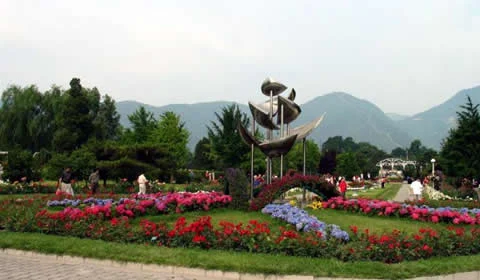
The botanical garden’s outdoor planting adds a gentler walk to a Western Hills outing. Photograph: Tour Beijing.
After seeing the reclining Buddha, return through the garden at a gentler pace or add one nearby garden area that interests you. As a planning estimate, a half day gives more room for the walk, the temple and a rest than a tightly timed one-hour stop. Your actual time will depend on the entrance, pace, queues and how much of the garden you choose to explore.
Autumn trees and other seasons
Two old ginkgo trees beside the Hall of the Three Buddhas are a highlight of the temple courtyards. The municipality's autumn guide describes their golden foliage. Colour changes with the weather, so a previous year's photograph or festival date is a guide to the kind of experience, not a guarantee for a particular day.
The wider botanical garden adds interest outside the leaf season. Choose a planted area or exhibition from the current visitor information rather than trying to see every collection. Wear shoes suitable for garden paths and bring layers and water appropriate to the forecast. A quiet temple visit and a short garden walk can be satisfying without an ambitious hill excursion.
Admission: distinguish garden and temple access
Wofo Temple is in the North Garden. The South Garden is a separate part of the China National Botanical Garden, so check which entrance and ticket you are selecting. The municipal ticket-purchase guide explains that conservatory and Wofo Temple tickets are separate from basic North Garden admission. Review the current products on the official ticketing platform before paying; a garden ticket should not be assumed to include the temple.
The compound and exhibition areas may finish admission earlier than the outdoor garden. Check the current Wofo Temple timetable as well as the garden's gate hours, especially for an afternoon visit. Exact current prices and seasonal opening times should come from the garden's official notices or ticketing service. The older municipal garden guide is useful for understanding the separate zones, but its dated timetable should not determine a last-minute arrival.
Getting there and choosing a companion outing
The municipal guide describes a public-transport route using Metro Line 10 to Bagou, then the Xijiao Line to China National Botanical Garden station. Check the current service and follow signs for the North Garden, then allow additional walking time to the temple. Save the Chinese names 国家植物园北园 and 卧佛寺 to distinguish the garden entrance from your destination inside it.
Nearby Fragrant Hills offers a separate wooded park and a more demanding summit option. Combining both sites is possible as a long outing, but it can leave little time for the botanical collections or temple courtyards. Choose the garden and temple for a slower day; choose Fragrant Hills when walking uphill is your main interest.
For wider local context, Tour Beijing's Botanical Gardens introduction describes the area's garden setting. Beijing Page is associated with Tour Beijing. Use current official garden information for access and opening arrangements, and our transport guide for planning the journey from your accommodation.