
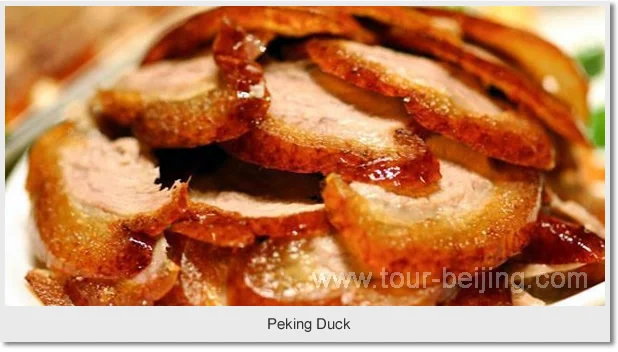
Beijing roast duck, sliced with its golden-brown skin, is one of the city’s best-known dishes. Photograph: Tour Beijing.
Eating well in Beijing means looking beyond one celebrated dish. Roast duck deserves a place on a first visit, but so do a bowl of noodles, a shared hotpot and a simple breakfast. The city also offers regional Chinese cooking and international food. Use this guide to choose a style of meal, order with confidence and fit dining into your day without travelling across the city for every restaurant.
Start with Beijing flavours
Roast duck is usually a shared meal. Ask whether the menu price covers a whole or half duck and whether pancakes, sauce and other accompaniments are included. For two people, a smaller portion plus a vegetable dish may be more enjoyable than ordering a banquet. If seeing the carving matters to you, ask how that particular restaurant serves the duck before reserving.
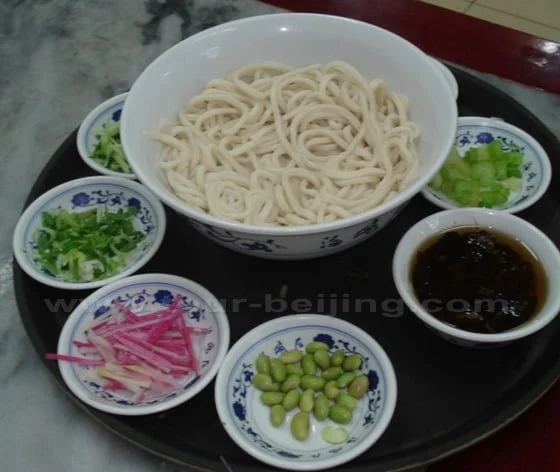
Zhajiangmian: noodles with bean-and-meat sauce, served with vegetable garnishes to mix at the table. Photograph: Tour Beijing.
Zhajiangmian is a filling noodle dish served with a savoury sauce and vegetable accompaniments. Jiaozi dumplings make another approachable choice; check the filling rather than assuming every dumpling contains pork. Beijing-style lamb hotpot is a sociable option for a group, with thin slices cooked at the table. Order modestly at first and add more if needed.
For breakfast, look for jianbing, steamed buns or a small bowl of porridge in a place close to your accommodation. Names alone do not reveal every ingredient: jianbing fillings, dumpling mixtures and broths vary. Tour Beijing's introduction to ten Beijing foods explains characteristic dishes; use it for food ideas rather than relying on its older branch addresses or prices.
Pick an area that fits your route
Qianmen and the surrounding southern old-city streets fit naturally after a walk near the central axis. Wangfujing offers shopping and dining options to the east of the palace area, while the lanes around Shichahai suit a slower meal or café stop after a neighbourhood walk. Sanlitun provides another setting for restaurants and an evening out in eastern Beijing.
Choose a specific operating restaurant and verify its address, booking arrangements and opening period. A district name or a photograph of a food street is not an adequate destination. In particular, the former Donghuamen night market closed, as recorded by Dongcheng District's government report. Do not follow an old night-market itinerary to find dinner there.
Order a balanced meal
At a shared-table restaurant, begin with a mix of vegetables, a main protein dish and rice or noodles. Ask about portion sizes before choosing several dishes that may all be large. A menu photograph can help communicate what you want, but also ask about heat level, bones and the main ingredients. Keep the names or photographs of dishes you particularly enjoy for another meal.
Many Chinese meals are served as dishes for everyone to share. Request serving chopsticks or spoons if they are not already supplied. Take a little at a time and leave room to try other dishes. Tea or a soft drink is a perfectly reasonable choice; you do not need to join an alcohol toast to enjoy the meal. Tour Beijing's dining guide provides further background on meal styles and regional cuisines.
Vegetarian meals and food allergies
Explain dietary requirements clearly, preferably in written Chinese as well as English. A vegetable dish can contain meat stock, lard or seafood seasoning, and a plain-looking sauce can contain ingredients you wish to avoid. Ask the restaurant to check the ingredients and preparation, rather than accepting the dish's English name as proof that it is suitable.
For a serious allergy, carry a precise translated allergy card and discuss cross-contact with staff. If the restaurant cannot confirm what is in a dish, choose another option. Halal, vegetarian and vegan requirements are different; check the restaurant's own information and explain your needs specifically. A current menu and a conversation with staff are more useful than an old directory label.
Reservations, payment and timing
Book an important duck dinner or a meal for a large group directly with the restaurant. Confirm the exact branch, number of people, arrival time and any deposit or cancellation terms. Leave enough time before a performance; ordering, cooking and paying can take longer than a quick meal at home. If your day includes a long attraction visit, identify a nearby backup place as well.
Check the bill against what you ordered, including tea, drinks and any separately priced extras. Prepare an alternative payment method if your preferred card or wallet fails. Save the restaurant's address and your accommodation's address before an evening out, and check the last train if you intend to return by metro.
Enjoy food as part of the visit
A useful food day might include a simple local breakfast, noodles near a museum and a shared duck dinner. Another could centre on a market walk and hotpot. These are suggestions, not claims that a particular stall or dining room will be available on your dates. Leave room for something that catches your interest and resist ordering a dish solely because a guide calls it compulsory.
For routes that connect meals with sightseeing, use sights and neighbourhoods and markets and shopping. If you want an organised culinary visit, ask Tour Beijing about the current itinerary, restaurant and dietary arrangements. Beijing Page is associated with Tour Beijing; restaurant choices should still match your tastes, budget and needs.