
Use this itinerary for planning ideas. Confirm current availability, prices and arrangements with the operator before booking.
A cooking day is a chance to understand what reaches the table, from market ingredients to the choices made in a home or professional kitchen. It works best when the lesson is the centre of the itinerary. Leave the afternoon light enough to enjoy the meal you have prepared and explore a neighbourhood without rushing through another full sightseeing programme.
Choose the type of lesson
A professional-school class can suit someone who wants a structured explanation, space to practise and detailed technique. A hosted home-style lesson offers a smaller domestic setting and conversation about everyday meals. Ask how much of the session is hands-on, how many participants share a workstation and which language the teacher uses.
Tour Beijing's culinary programme combines ingredient learning with cooking and a neighbourhood visit. Its published examples are useful discussion points, rather than a guarantee that a particular school, host or dish will be available on your date. Confirm the actual venue before arranging transport.
A market introduction
If a market visit is included, use it to ask about the ingredients you will cook that day. Compare light and dark soy sauces, different vinegars, seasonal vegetables and the role of fresh aromatics. A short focused visit is more useful than a long shopping circuit with little explanation.
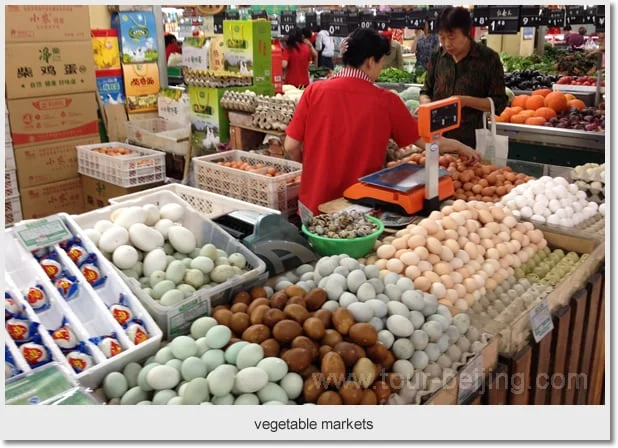
Market ingredients offer a starting point for a cooking lesson. Photograph: Tour Beijing.
Ask before photographing stallholders, keep aisles clear and avoid touching produce without permission. Some classes arrange the ingredients in advance, so a market stop may be educational rather than a shopping trip for the meal. Clarify which format you prefer.
Cook, eat and keep useful notes
Choose a small menu that leaves time to participate. Dumplings, a vegetable dish or a familiar stir-fry can offer different kinds of practice; agree the dishes with the teacher instead of assuming that every advertised example is included. Ask for ingredient names, approximate quantities and substitutions you can find at home.
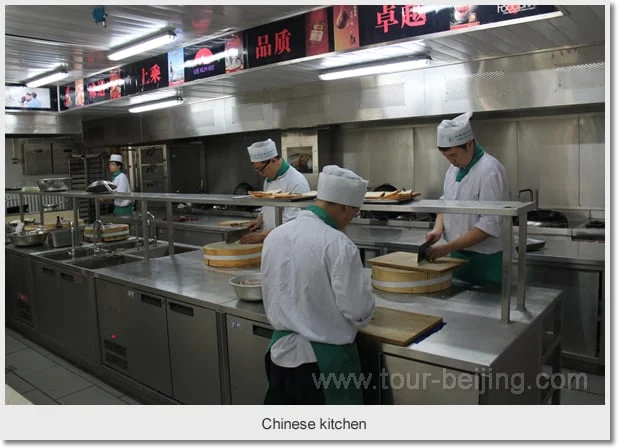
Kitchen preparation in a Chinese cooking setting. Photograph: Tour Beijing.
Explain allergies and dietary requirements before booking, including sauces, stocks and shared preparation equipment. A dish described as vegetable-based is not automatically suitable for every vegetarian or allergy requirement. The class provider should tell you what it can accommodate.
Allow a proper meal break after cooking. Decide whether the price covers only your prepared dishes or additional food, and whether accompanying guests who do not cook can join lunch.
Optional afternoon in old Beijing
For a gentle continuation, walk a short stretch around Shichahai and the nearby hutongs. The Bell and Drum Tower area can be enjoyed from the street; an interior climb adds time and stairs. Prince Gong's Mansion is another possible visit, but doing all of these after a substantial lesson leaves little space to absorb either experience.
Before confirming
Tour Beijing is associated with Beijing Page. Ask its culinary planner for the named venue, menu, session length, group size, translation, meal inclusions and cancellation conditions. Transport and an afternoon walk should be priced clearly. Avoid making another restaurant dinner compulsory after a large cooking lunch; leave the evening for whatever your appetite and energy allow.